Smooth Foundations That Support Clean Finishes
Drywall Repair and Preparation in Bolivia for remodels and interior refreshes
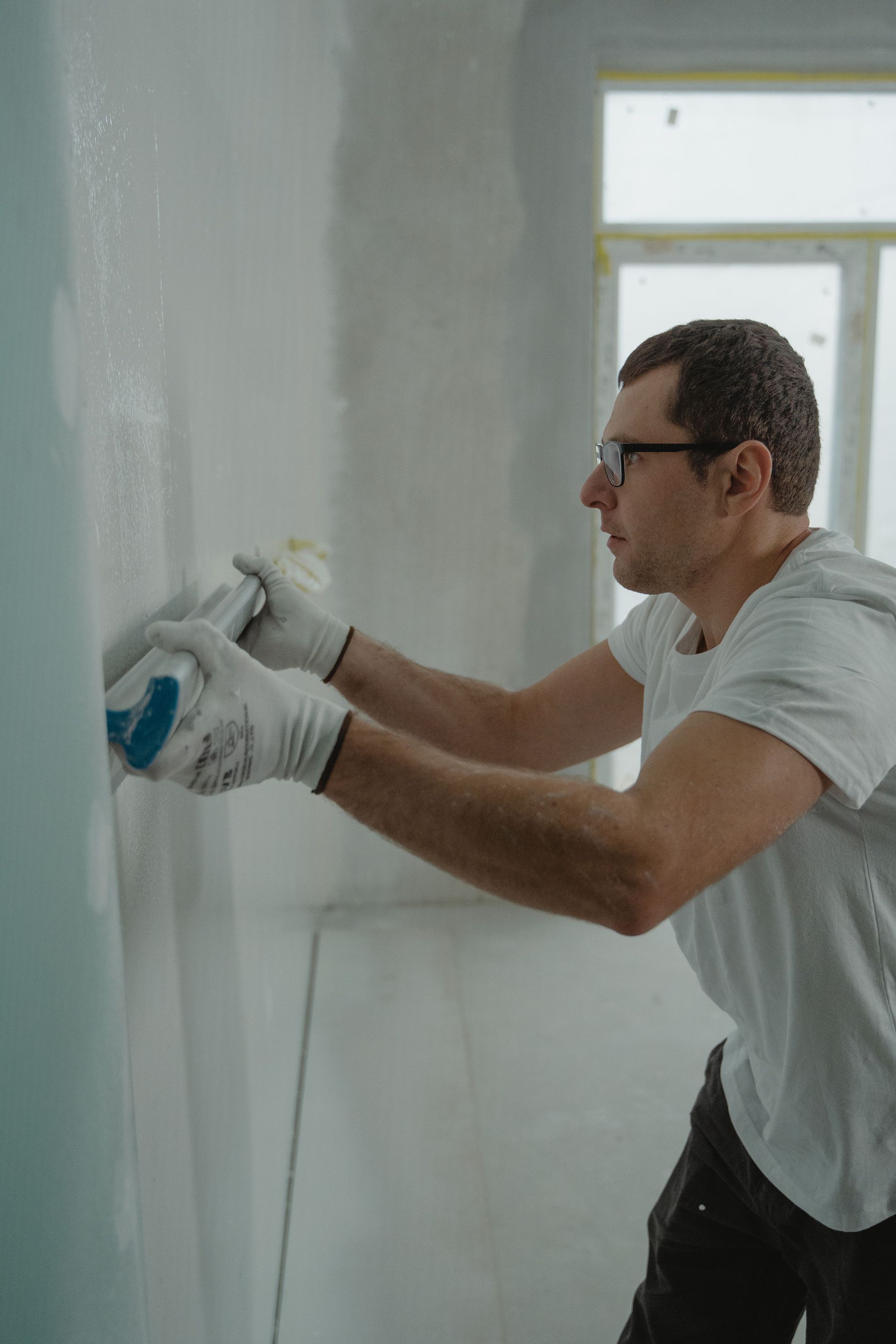
Dents, cracks, holes, uneven areas, damaged sections, and visible surface imperfections telegraph through paint no matter how many coats you apply, leaving finished walls looking amateurish and uneven under changing light. GVR PAINTING CORP. handles drywall repair and preparation in Bolivia by patching voids, smoothing transitions, sanding flush, and creating the foundation needed before primer or paint can deliver professional results. Remodels and interior refreshes depend on this preparation—new paint over poorly prepped drywall highlights flaws rather than hiding them, while properly repaired and smoothed surfaces allow coatings to cure uniformly and reflect light consistently across walls and ceilings.
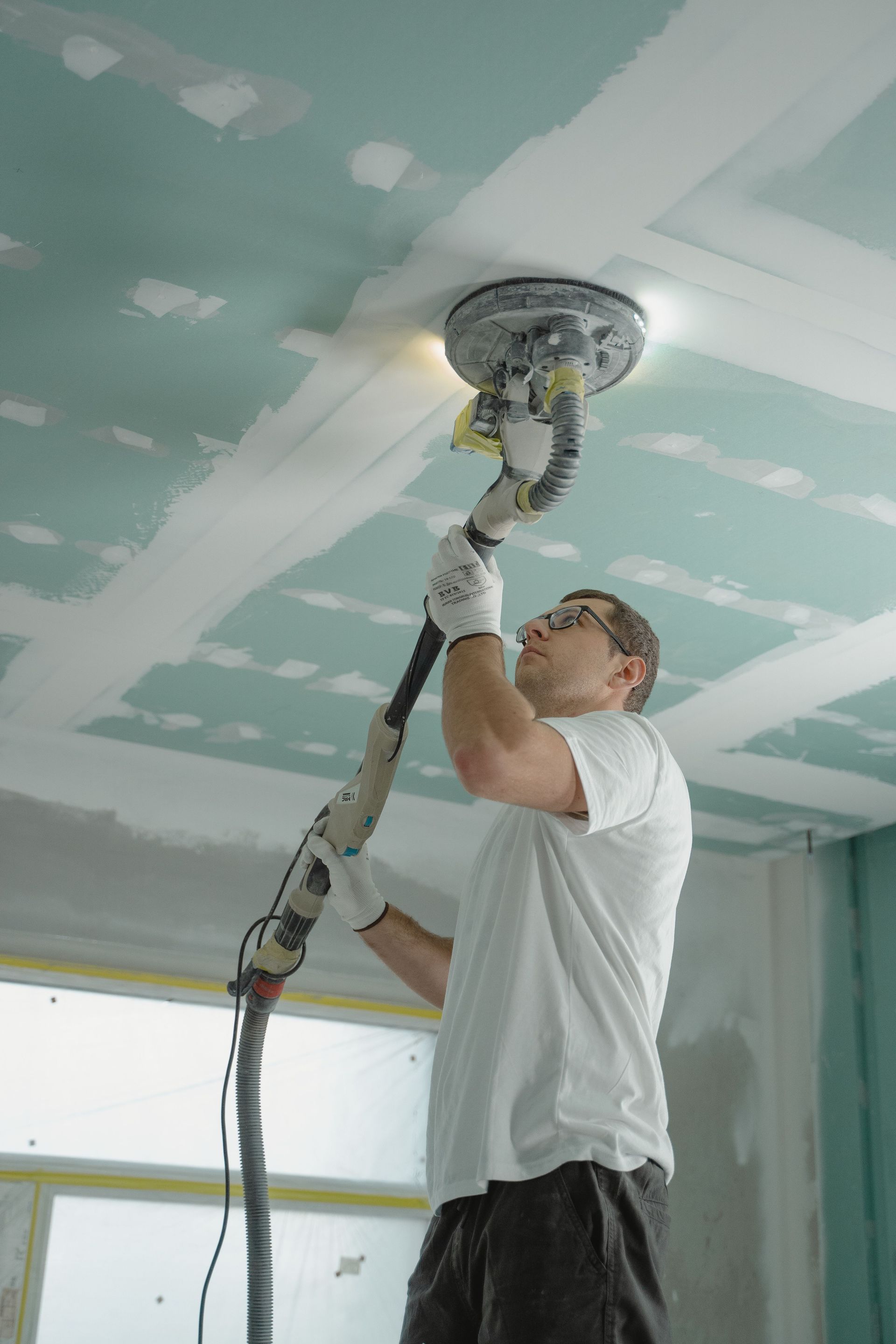
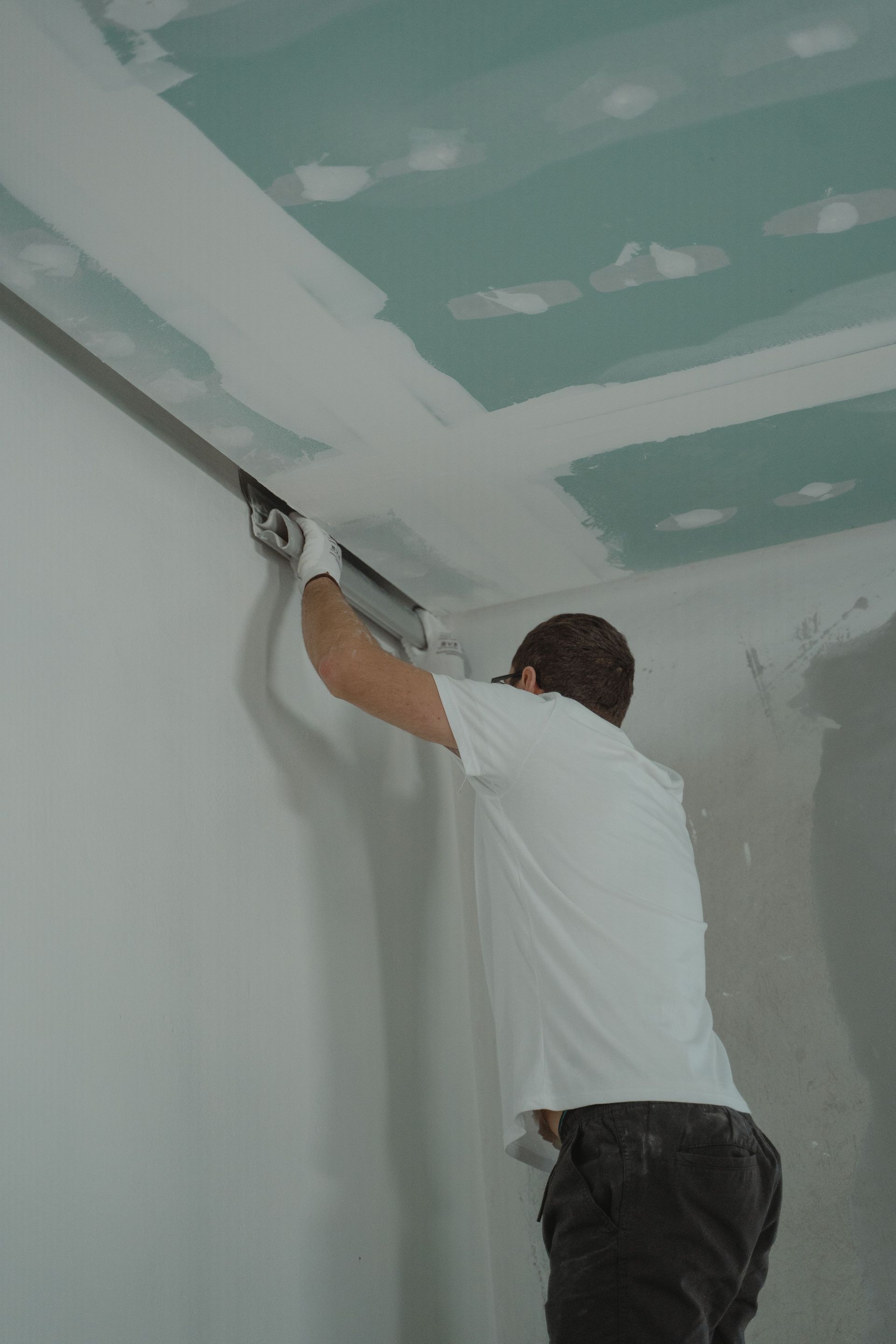
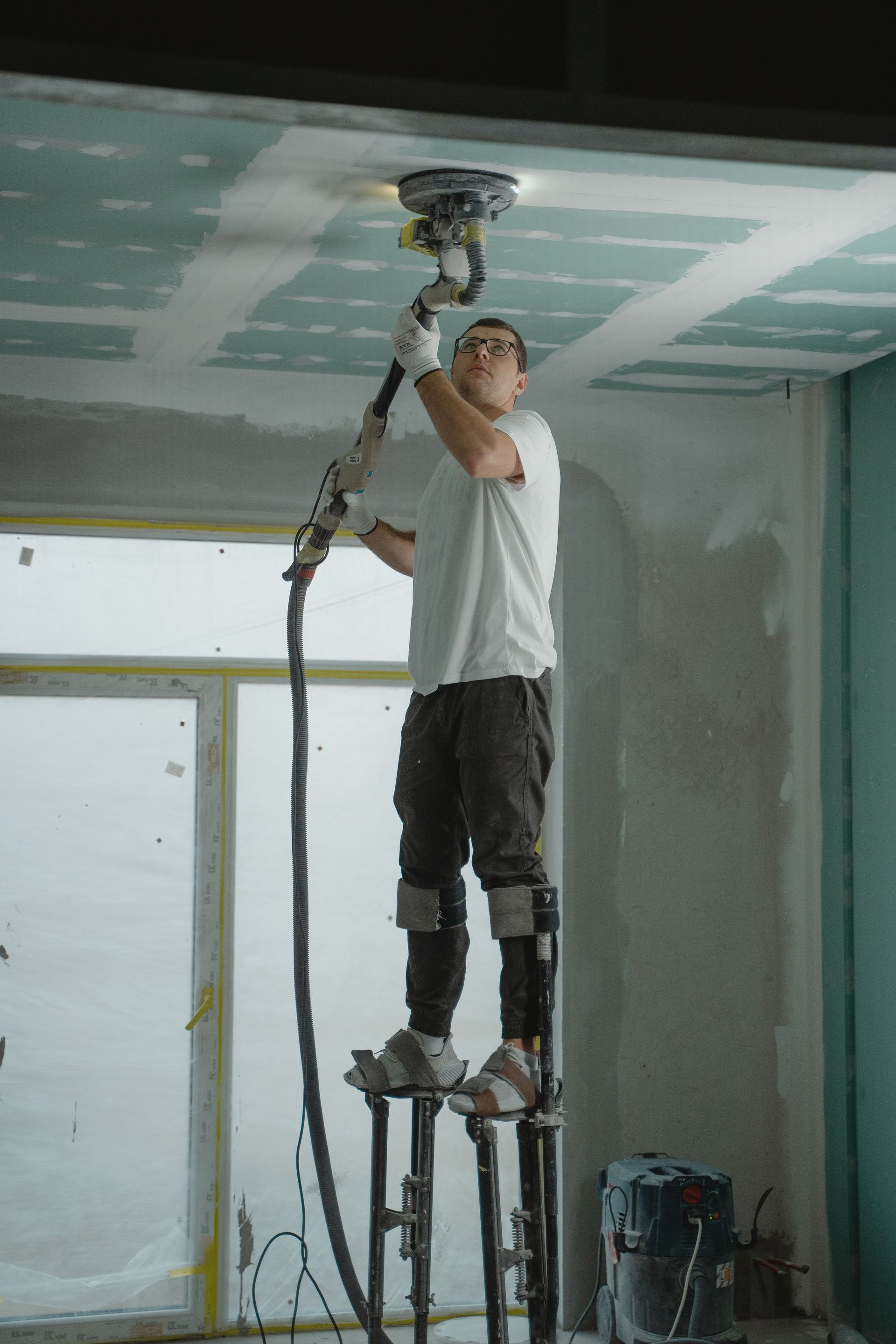
The process involves cutting out damaged sections, securing backing material where structural support is needed, filling voids with joint compound, feathering edges so repairs blend invisibly into surrounding surfaces, sanding progressively finer until transitions disappear, then priming repaired areas so they absorb paint at the same rate as undamaged drywall and prevent visible differences in sheen or texture after topcoats dry.
Request a project consultation to identify surface defects and outline repair needs before painting begins.
What Better Preparation Accomplishes
Drywall preparation determines whether finished walls appear smooth and professional or reveal every imperfection through the paint film. Small holes from nails or screws require filling and sanding; larger voids need backing support, multiple compound applications, and careful feathering so edges taper gradually rather than forming visible ridges; cracks demand evaluation to confirm they result from settling rather than ongoing structural movement that would reopen repairs shortly after paint dries.
Once preparation finishes, walls feel smooth when you run your hand across repaired areas, with no detectable edges or rough spots that would catch light and appear as shadows or bumps after painting. Ceilings show consistent texture without depressions or raised patches, and corners meet crisply where walls intersect. Primer seals the repaired sections so they match surrounding drywall in porosity and absorption, preventing the flat, dull appearance that occurs when unprimed patches soak up more paint than adjacent areas.
The service covers patching, smoothing, sanding, and preparation of common drywall imperfections, but does not include structural framing repairs, mold remediation, water damage restoration beyond surface drywall replacement, or extensive reconstruction that requires permits and inspections. Large-scale damage from flooding, impact, or deterioration may exceed repair scope and require consultation with contractors who specialize in full drywall replacement and moisture mitigation.
Common Questions About This Service
Interior projects often uncover hidden damage or surface defects that must be addressed before painting can proceed, raising questions about repair methods, material selection, and how preparation affects final appearance.
What types of drywall damage can be repaired before painting?
Nail holes, screw pops, small dents, hairline cracks, corner dings, and sections with minor water staining or surface tearing typically receive patching, smoothing, and sanding to restore a paintable surface.
How does coastal humidity in Bolivia affect drywall repairs?
Higher moisture levels slow joint compound drying, so ventilation and dehumidification may be needed between applications to prevent soft, uncured patches that sand poorly or crack as they finally dry after painting.
Why does sanding matter for drywall preparation?
Sanding removes ridges where compound overlaps surrounding surfaces, feathers edges so repairs blend invisibly, and smooths rough texture that would telegraph through paint and appear as visible imperfections under side lighting or natural illumination.
When should drywall be primed after repairs?
Priming happens once compound has dried completely and sanding is finished, sealing porous patched areas so they absorb topcoats at the same rate as unrepaired drywall and prevent visible differences in sheen or color depth.
What indicates quality drywall preparation?
Smooth surfaces without detectable edges around patched areas, consistent texture across walls and ceilings, and no visible ridges, depressions, or rough spots when viewed under angled light signal thorough compound application and careful sanding.
GVR PAINTING CORP. coordinates drywall repair and preparation as part of interior painting projects, ensuring surfaces receive the smoothing and priming needed for professional finishes. Request an estimate to review your Bolivia property's wall and ceiling conditions before scheduling interior updates.