Surfaces Built to Withstand Coastal Exposure
Exterior Painting in Bolivia for properties facing sun, moisture, wind, and salt air
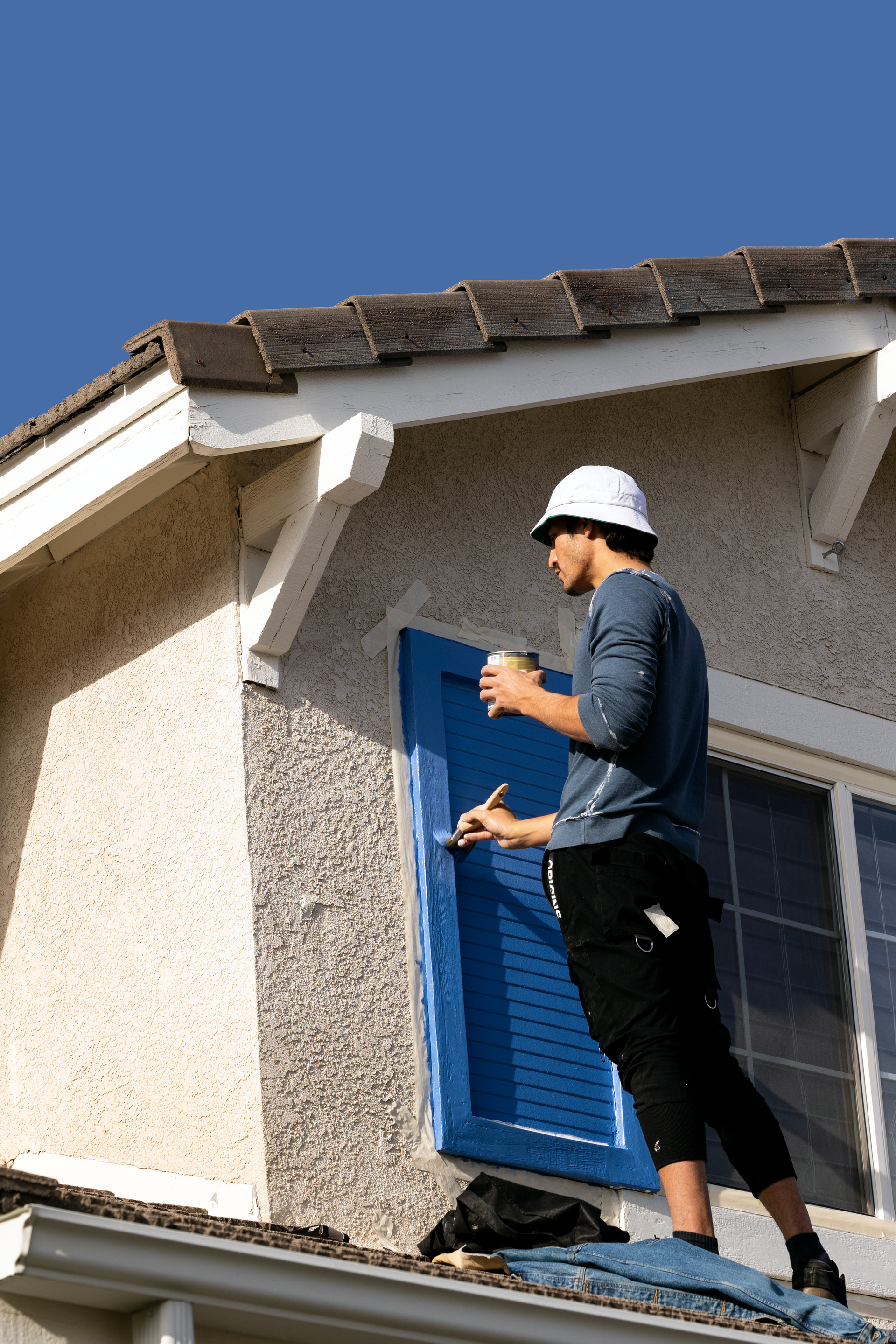
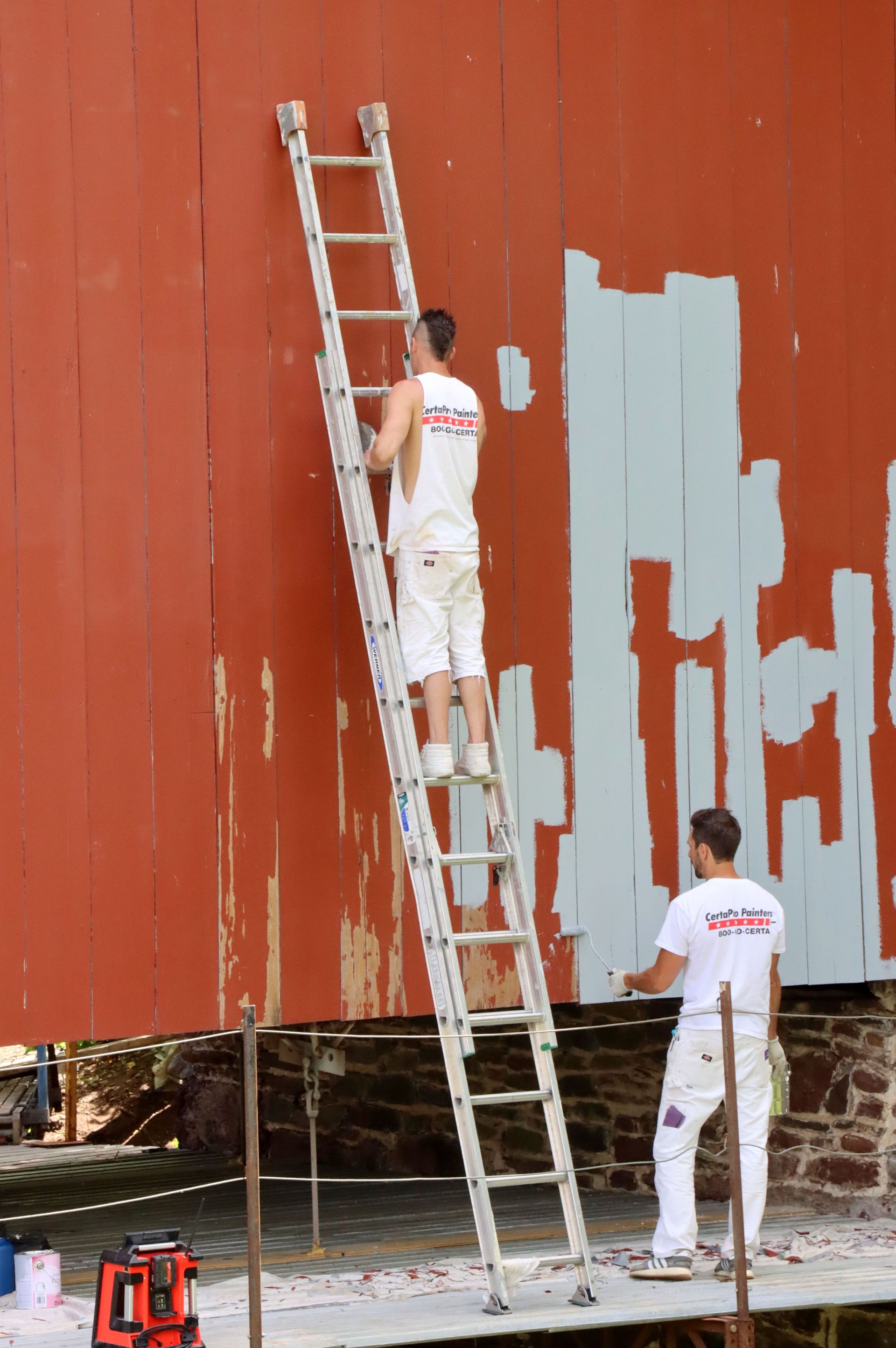
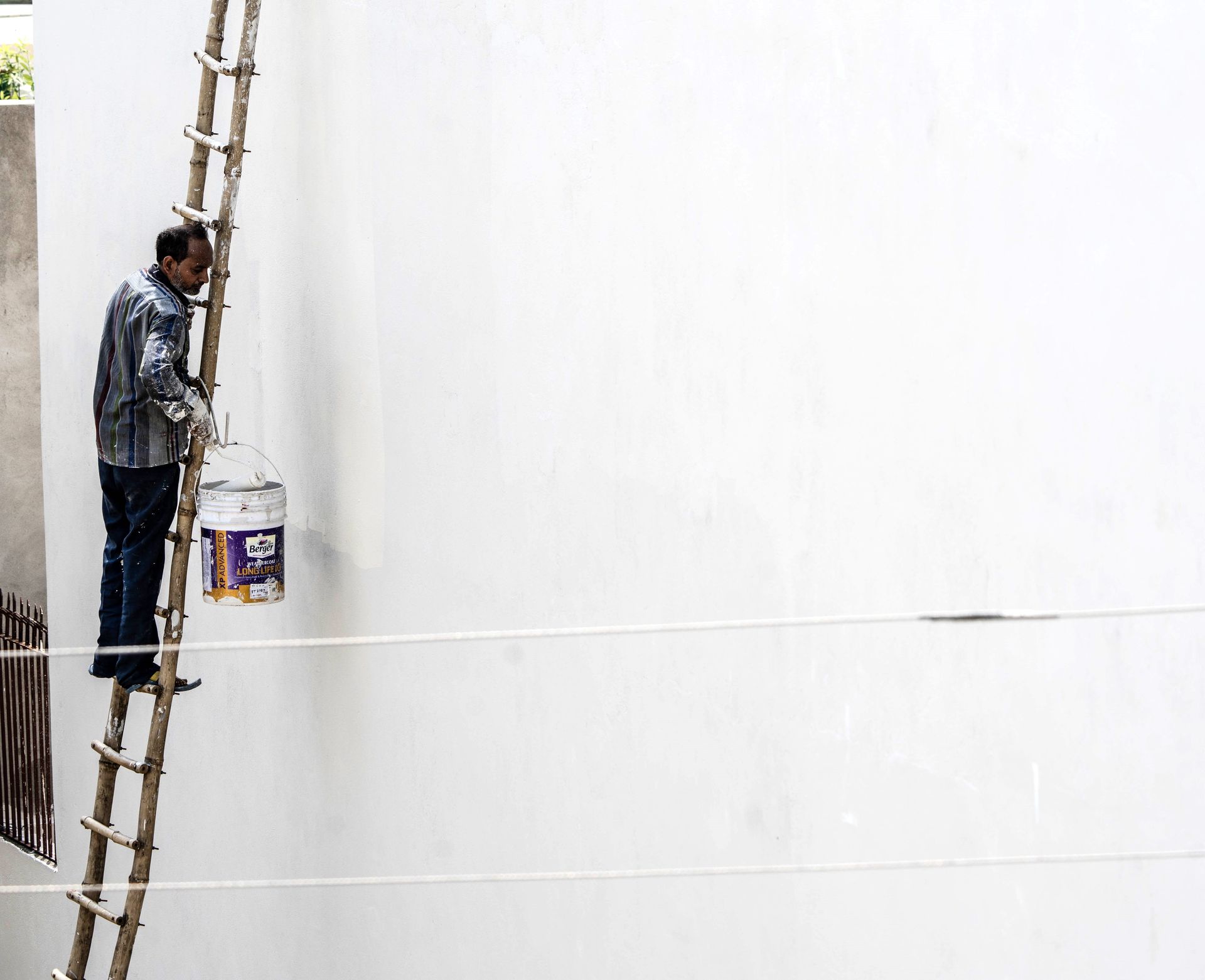
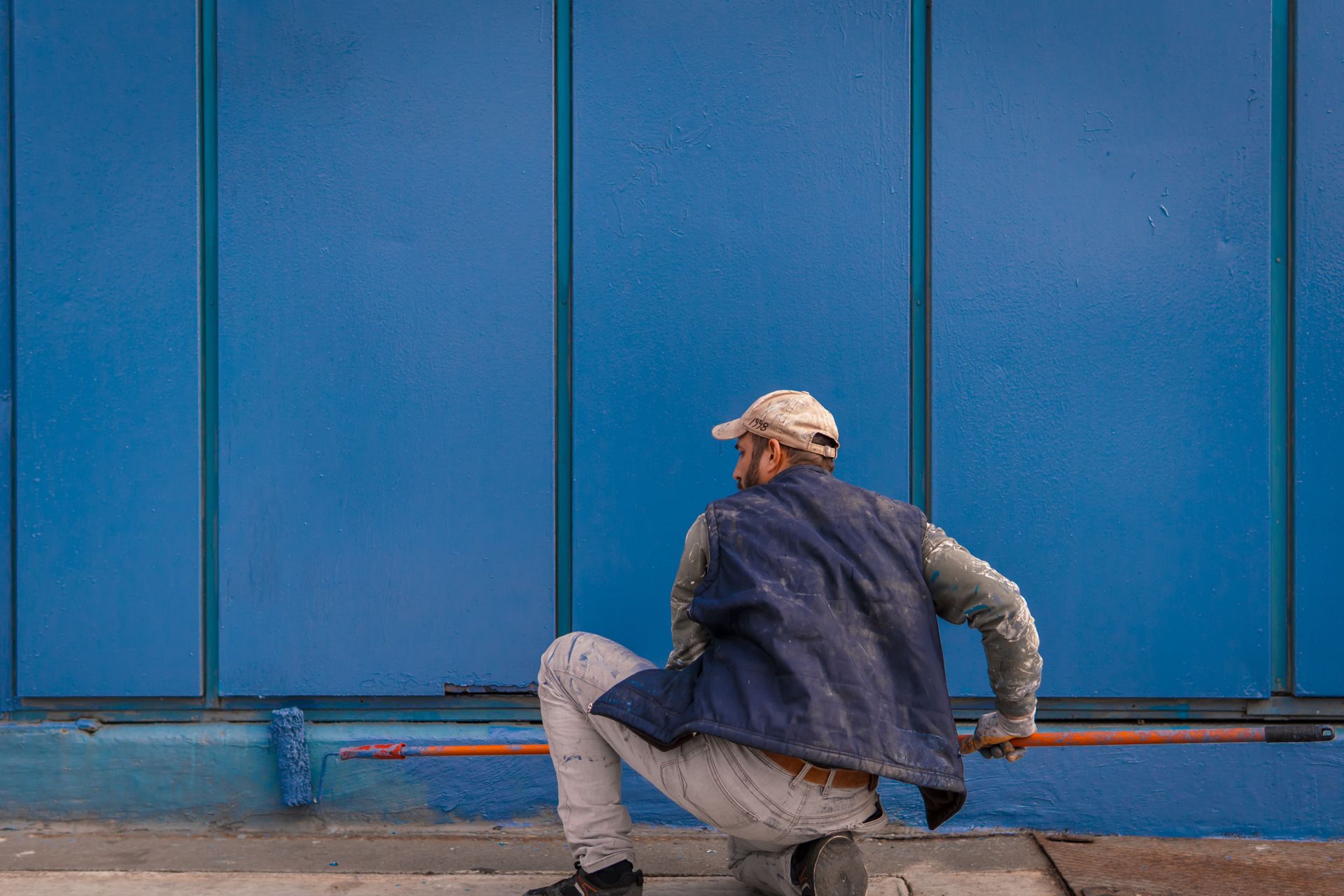
Sun, moisture, wind, and salt air combine to degrade exterior finishes faster than inland conditions, causing paint to fade, peel, chalk, and lose adhesion as ultraviolet radiation breaks down binders and humidity drives moisture beneath coatings. GVR PAINTING CORP. provides exterior painting that addresses these stresses through cleaning, surface defect repair, substrate preparation, selective priming, and appropriate coating selection before application. Bolivia's coastal environment demands finishes that bond securely, flex with temperature changes, and resist constant exposure to elements that would otherwise strip unprotected wood, fiber cement, or masonry within seasons.
The process begins with pressure washing to remove mildew, salt deposits, dirt, and loose paint, followed by scraping flaking areas, filling cracks or voids in substrates, sanding rough patches, then priming bare wood, raw fiber cement, or stained sections before topcoats seal the surface and deliver the color you selected during planning.
Arrange an on-site evaluation to inspect current siding condition and discuss coating systems suited to your property's exposure.
How Coastal Conditions Affect Exterior Finishes
Exterior painting in coastal zones requires understanding how moisture, salt, and intense sunlight interact with different substrates and coating chemistries. Wood siding absorbs humidity and swells, then contracts as it dries, stressing paint films that lack elasticity; fiber cement boards resist rot but require primers that bond to dense, non-porous surfaces; masonry and stucco demand vapor-permeable coatings that allow trapped moisture to escape without blistering.
After the crew completes the work, siding displays uniform color and sheen with no drips, sags, or missed edges where substrate remains exposed. Trim around windows and doors shows crisp lines, and soffit and fascia areas appear evenly coated without thin spots that invite early failure. The paint film forms a cohesive barrier that sheds water, reflects ultraviolet light, and resists mildew growth, extending the interval before repainting becomes necessary and protecting underlying materials from rot, decay, and structural compromise.
Quality coatings formulated for high-moisture environments include mildewcides, ultraviolet inhibitors, and flexible resins that accommodate substrate movement without cracking. Surface preparation quality directly affects how long the finish lasts—poorly cleaned or incompletely primed areas fail first, even when premium paints are applied over them, making thorough preparation as important as coating selection.
Common Questions About Exterior Painting
Property owners balancing appearance improvement with long-term protection often ask about preparation steps, coating durability, and optimal timing given coastal weather patterns.
What preparation steps occur before exterior paint application?
Surfaces are pressure washed, scraped where old paint is loose, repaired if cracks or voids exist, sanded to smooth transitions, then primed on bare or problematic areas before finish coats are brushed, rolled, or sprayed.
How long does exterior paint last in Bolivia's coastal climate?
Durability varies with substrate type, coating quality, and exposure severity, but properly prepared and coated surfaces typically maintain appearance and protection for several years before chalking, fading, or mildew warrant repainting.
When should exterior painting be scheduled to avoid weather delays?
Late spring through early fall generally offers lower humidity and less rainfall, though coastal conditions can introduce unexpected moisture, so flexible scheduling and monitoring forecasts help avoid applying coatings during damp periods that slow curing.
Why does coastal salt exposure matter for paint selection?
Salt accelerates corrosion of metal substrates and draws moisture into porous materials, so coatings with better moisture resistance and corrosion inhibitors perform better than standard formulations designed for drier inland environments.
What indicates proper surface coverage after painting?
Consistent color without thin spots, uniform sheen across siding and trim, sharp edges where different colors meet, and no visible brush marks, roller stipple, or overspray signal thorough application and attention to detail.
GVR PAINTING CORP. manages exterior painting projects with preparation methods and coating systems suited to Bolivia's coastal conditions, ensuring surfaces receive protection and appearance that withstand ongoing environmental stress. Request an exterior painting estimate to review your property's current finish condition and outline the approach for long-lasting results.