Coatings That Bond Evenly and Last
Surface Preparation and Priming in Bolivia for properties where color changes or worn finishes require proper foundation work before new paint performs as intended
GVR PAINTING CORP. handles surface preparation and priming in Bolivia, addressing the steps that determine whether new coatings bond evenly or fail prematurely. This service matters when you're changing colors, covering previously worn finishes, or working with surfaces that show imperfections requiring repair before paint is applied. The preparation phase establishes the foundation for clean appearance and consistent coverage across every square foot of the project.
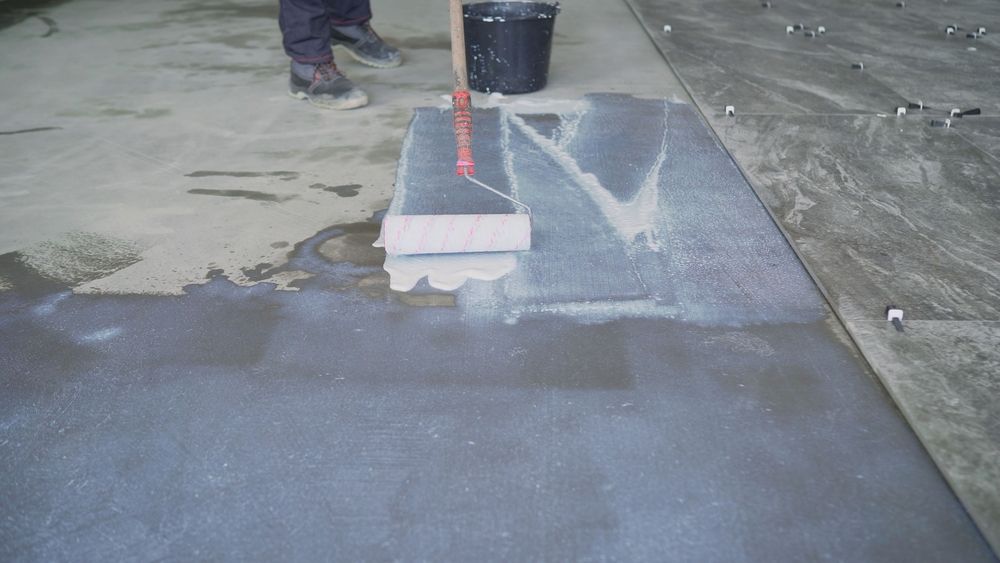
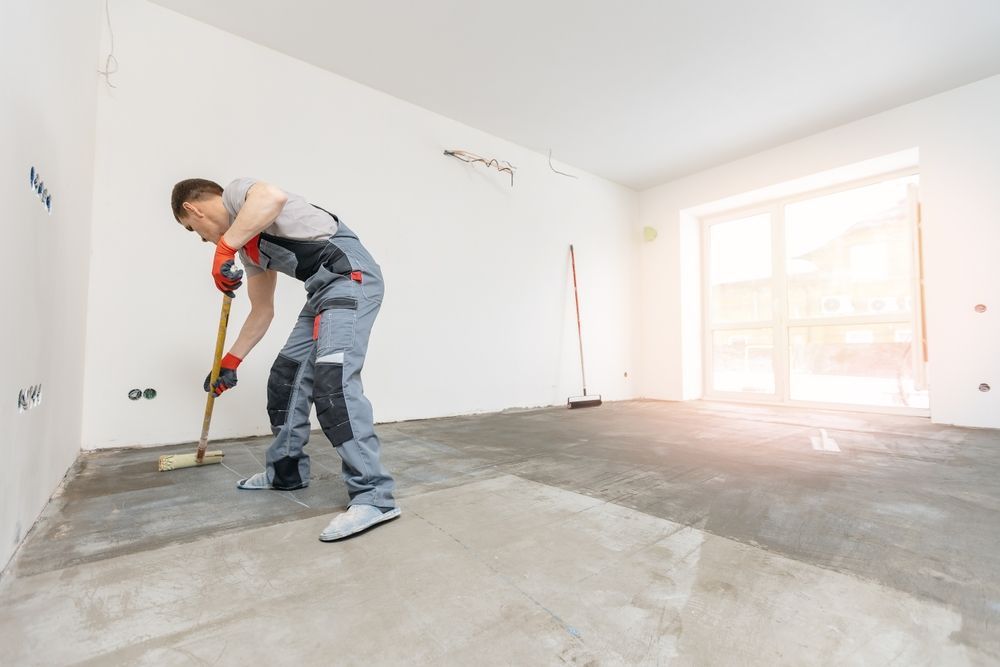
The process involves cleaning surfaces to remove contaminants that block adhesion, smoothing areas where texture creates uneven application, repairing imperfections such as cracks or patches, and applying primer selected for the specific surface type and coating system you're installing. Different surfaces require different approaches—bare wood accepts primer differently than previously painted drywall, and glossy finishes need more aggressive preparation than flat latex. When preparation matches the substrate and the coating system, paint performs the way manufacturers intend rather than peeling or showing inconsistent sheen within months.
Request a detailed estimate to review surface conditions and preparation requirements for your property.
What Preparation Determines Before Paint Is Applied
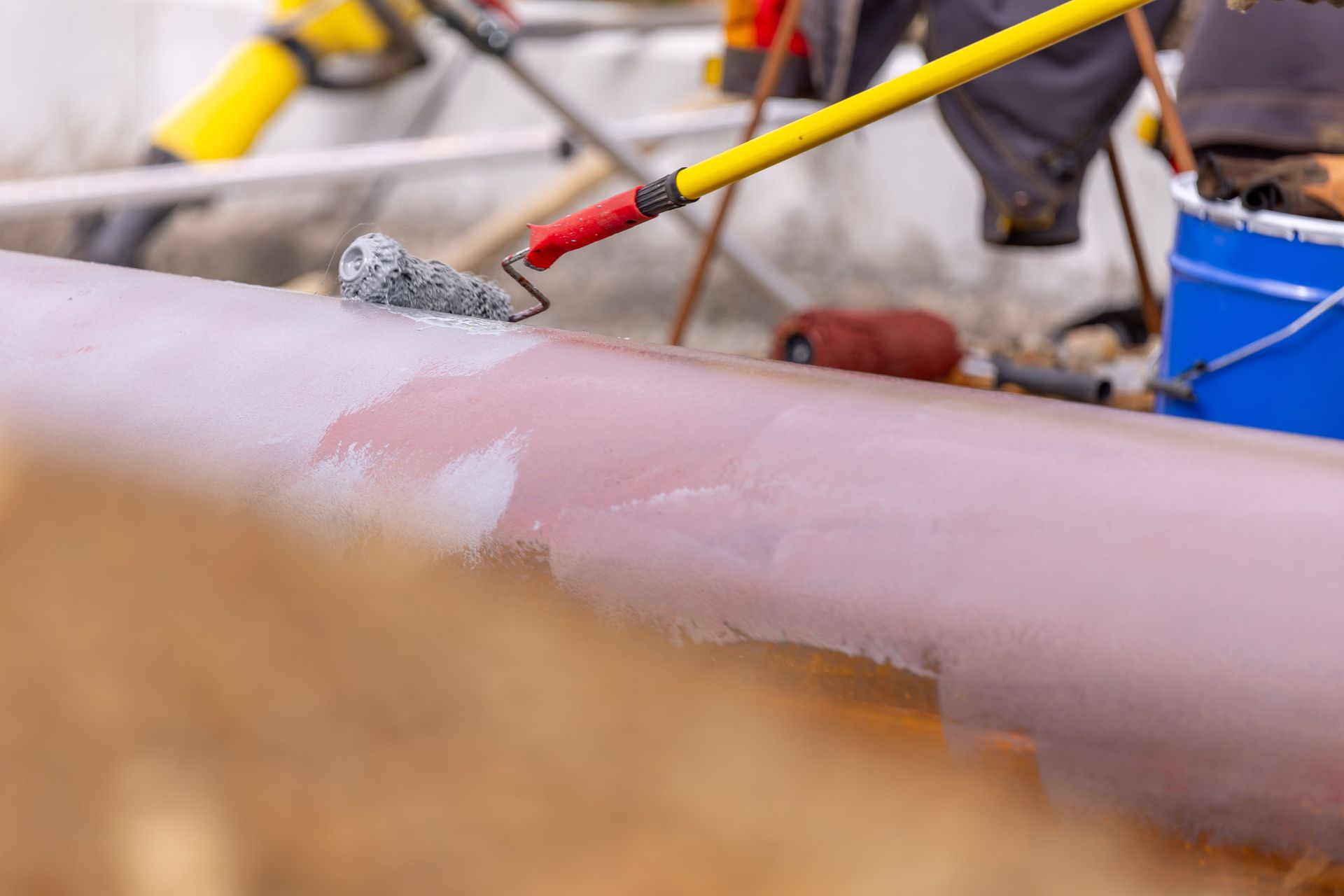
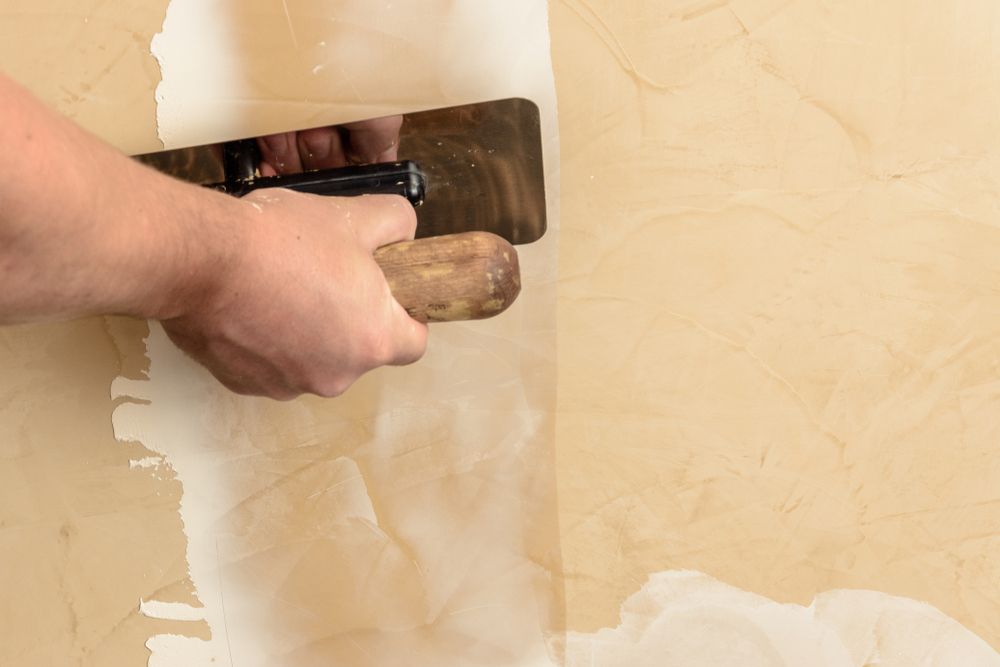
Cleaning removes dirt, grease, and loose material that prevent coatings from making direct contact with the substrate. Smoothing eliminates ridges, bumps, and texture variations that create shadows or uneven film thickness. Repairing fills gaps and cracks so the painted surface reads as continuous rather than fractured. Priming seals porous surfaces, blocks stains from bleeding through topcoats, and provides a uniform base that allows finish coats to spread evenly and develop consistent color.
You notice the difference once preparation is complete because new coatings dry without streaks, show uniform sheen across the entire surface, and cover the previous color without requiring extra coats to hide what's underneath. Edges along trim and transitions between walls read as clean lines rather than ragged overlaps. The finished appearance reflects the time invested in the steps that happen before the first gallon of finish paint opens.
Preparation time varies depending on the surface condition, the number of repairs needed, and whether you're changing from dark to light colors or covering finishes that were applied over inadequate prep work years earlier. Additional steps may include sanding glossy finishes to create mechanical adhesion, treating mildew-stained areas with appropriate cleaners, or applying stain-blocking primers where water damage or smoke residue would otherwise bleed through standard coatings.
What Property Owners Ask About Preparation
Questions about surface preparation and priming help clarify what happens before visible painting begins and why time spent on these steps affects the final appearance and durability of the coatings you're installing.
What does surface preparation include before priming?
Preparation includes cleaning to remove contaminants, smoothing uneven areas, repairing cracks or holes, and sanding glossy surfaces to improve adhesion. The scope depends on the current condition and the coating system being applied.
How does priming improve paint performance?
Priming seals porous surfaces, blocks stains from bleeding through, and creates a uniform base that allows topcoats to spread evenly and develop consistent color without requiring excessive coats to achieve coverage.
When is additional repair work necessary before painting?
Additional repairs are necessary when surfaces show cracks, holes, peeling sections, or damage that would remain visible through new coatings. Addressing these issues during preparation prevents them from reappearing weeks after the project is finished.
What preparation is required when changing paint colors?
Changing colors, especially from dark to light, requires thorough cleaning, stain-blocking primer to prevent the old color from showing through, and sometimes an extra primer coat to achieve uniform coverage without needing multiple finish coats.
How does preparation work differ across surface types in Bolivia?
Different surfaces such as bare wood, previously painted drywall, or exterior siding each require tailored cleaning methods, repair materials, and primer formulations that match their porosity, texture, and exposure conditions to ensure coatings bond properly and perform as intended.
GVR PAINTING CORP. evaluates surface conditions during the estimate phase to identify preparation requirements specific to your project. Schedule a property assessment to discuss the preparation scope and receive a detailed estimate based on the surfaces you're planning to coat.